
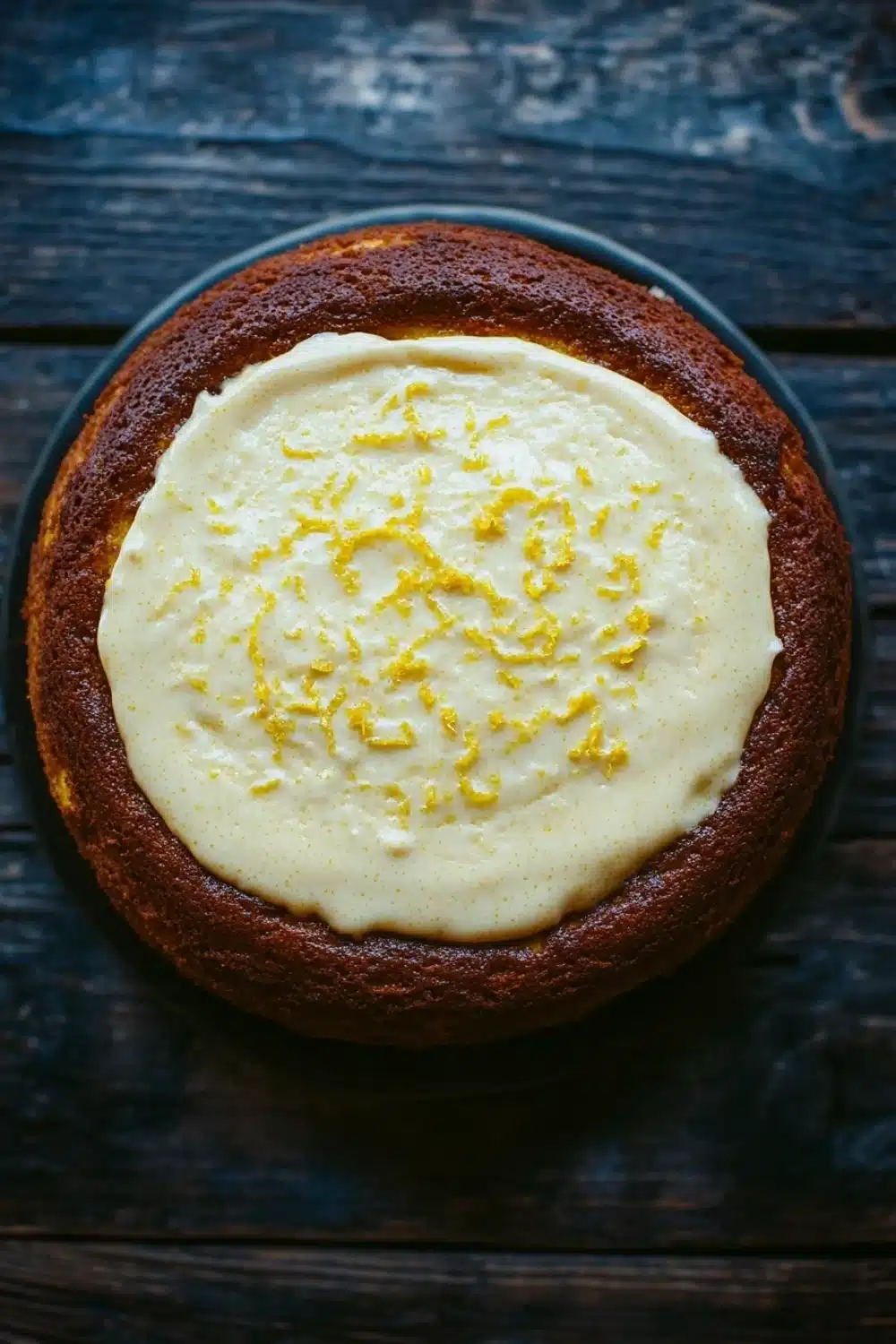
There’s something about the zing of lemon that gets me every time—bright, sharp, and unapologetically fresh. Last weekend, I found myself knee-deep in flour and zest, chasing that perfect balance between a moist cake and a punchy pudding layer. The kitchen was buzzing with the scent of citrus—like summer was crashing the party early. This lemon cake lemon pudding isn’t your grandma’s plain old lemon drizzle. It’s that cheeky mashup where fluffy whipped egg whites fold into a tart pudding, crowning a tender, buttery cake base. The trick? Pouring that pudding over the cake while it’s still hot so it seeps in just the right way—not soggy, not dry—the kind of texture that keeps you coming back for more. It’s the kind of recipe that demands you pay attention; whisking the pudding, folding the whites just so—there’s no cutting corners here. But trust me, once you nail it, that first bite reminds you why we put on our aprons and dive headfirst into these kitchen escapades. This isn’t just baking; it’s a little citrus showdown on your palate, and it wins every time.
If you’re a fan of fruity desserts like lemon cake or lemon pudding, you’ll love this easy Blueberry Muffin Mix Cobbler. It’s a quick berry bliss that comes together in under an hour—perfect for when you want something sweet without the fuss. Check it out here!
Why Lemon Cake Lemon Pudding Is a Game-Changer in Your Dessert Lineup
- Two textures, one pan: This recipe combines a moist cake base with a creamy, tangy pudding layer—no need for separate dishes or fuss.
- Speedy yet impressive: From start to finish in just over an hour, it’s a solid choice when you want to serve something homemade without camping in the kitchen all day.
- Brightens any mood: The zing from fresh lemon juice and zest is like a citrusy slap that perks you right up—perfect after a heavy meal or when you’re feeling meh.
- Easy leftovers win: Keep it chilled for up to 3 days, and the pudding topping holds its shape without turning into a sad, weepy mess.
- Flexibility for flavors: While this one’s all about lemon, the technique invites experimentation—swap in orange or lime juice and zest for a twist that’ll have folks guessing your secret weapon.

Lemon Cake Lemon Pudding
Total Time: 1 hour 5 minutes
Yield: 8
Description
A delightful lemon cake topped with a tangy lemon pudding layer, combining moist cake with a creamy, zesty pudding for a refreshing dessert.
Ingredients
1 1/2 cups all-purpose flour
1 cup granulated sugar
1/2 cup unsalted butter, softened
2 large eggs
1/2 cup whole milk
1 teaspoon baking powder
1/4 teaspoon salt
1 tablespoon lemon zest
1/4 cup fresh lemon juice
1 teaspoon vanilla extract
3 large eggs, separated
3/4 cup granulated sugar
1/4 cup fresh lemon juice
1 tablespoon cornstarch
1/2 cup water
Instructions
Preheat the oven to 350°F (175°C). Grease and flour an 8×8-inch baking dish.
In a medium bowl, whisk together the flour, baking powder, and salt. Set aside.
In a large bowl, cream the softened butter and 1 cup sugar together until light and fluffy, about 3 minutes.
Add the 2 whole eggs one at a time, beating well after each addition.
Mix in the lemon zest, lemon juice, and vanilla extract.
Alternately add the dry ingredients and milk to the butter mixture, beginning and ending with the dry ingredients. Mix until just combined.
Pour the batter into the prepared baking dish and spread evenly.
Bake the cake for 25-30 minutes, or until a toothpick inserted in the center comes out clean.
While the cake is baking, prepare the lemon pudding topping. In a medium saucepan, whisk together the egg yolks, 3/4 cup sugar, lemon juice, cornstarch, and water until smooth.
Cook the mixture over medium heat, stirring constantly, until it thickens and comes to a gentle boil, about 5-7 minutes.
Remove from heat and let cool slightly.
In a separate clean bowl, beat the egg whites until stiff peaks form.
Gently fold the beaten egg whites into the slightly cooled lemon pudding mixture until fully combined.
Once the cake is done baking, remove it from the oven and immediately spread the lemon pudding mixture evenly over the hot cake.
Return the baking dish to the oven and bake for an additional 15 minutes, or until the pudding topping is set and lightly golden.
Remove from the oven and allow the lemon cake lemon pudding to cool completely before serving.
- Prep Time: 20 minutes
- Cook Time: 45 minutes
Explore more:
Baking Recipes
Lemon Cake Lemon Pudding
Substitution Secrets
When I first tackled this lemon cake with pudding topping, the recipe called for whole milk—an ingredient that some folks might not have on hand or prefer to avoid. Here’s the skinny: you can swap whole milk with buttermilk or even Greek yogurt thinned with a splash of water. Buttermilk adds a subtle tang that amplifies the lemon’s brightness, while yogurt lends creaminess without weighing the cake down. Just remember, if you’re using a more acidic substitute like buttermilk, reduce the lemon juice slightly to keep the balance from turning into a puckering overload.
Butter is the backbone of this cake’s richness, but what if you’re out or want to tweak the fat profile? I’ve found that using a good-quality margarine or even coconut oil can do the trick—coconut oil adds an unexpected layer of tropical warmth that plays surprisingly well with lemon. However, be mindful that coconut oil will slightly change the crumb and flavor, so use it if you’re game for a twist. And hey, if eggs are the missing link, flax eggs (ground flaxseed mixed with water) can stand in for whole eggs, though the texture might come out a bit denser—worth experimenting if you’re vegan or egg-free.
The Science
Here’s where things get geeky—in a good way. The magic behind this dessert isn’t just the fresh lemon zing; it’s the interplay between the cake’s structure and the pudding’s chemistry. The flour and baking powder combo creates a tender crumb by trapping gas bubbles that expand during baking. The butter coats the flour particles, limiting gluten development and keeping things soft, while the sugar helps retain moisture.
Now, the pudding topping is an entirely different beast. Egg yolks act as emulsifiers and thickeners, binding the lemon juice and water with cornstarch to form a gel-like custard. Cooking it just right is crucial—too hot or too long, and you end up with a rubbery mess. The egg whites folded in at the end add air, lightening the pudding into a mousse-like layer rather than a dense custard. Spread it on the hot cake immediately; that heat jump-starts the pudding set as it bakes again, locking in that creamy tang without sogginess. Trust me, this is the dance between chemistry and timing that separates a meh dessert from something that knocks socks off.
Real-world Fix
I’ve seen it happen—your lemon pudding topping refuses to set, leaving you with a runny mess that seeps into the cake. Before you toss it in the bin, there’s a simple fix. The culprit is usually undercooked starch or insufficient egg proteins to bind the mixture. Pop the pudding back on medium heat and whisk vigorously—this wakes up the starch granules to thicken the mixture properly. If you suspect the lemon juice is too generous, dial it back next time (acid can break down the starch network). Another trick? After folding in egg whites, fold gently but thoroughly—overmixing deflates the air, under mixing leaves pockets of liquid.
On the flip side, if you overbake the pudding layer, it can get dry and crackled on top. To avoid this, keep a close eye in the final 10 minutes of baking and remove it once the pudding jiggles slightly but isn’t liquid. Let it cool in the pan—it’ll firm up as it chills. Lastly, if your cake is turning out dense rather than moist, it’s probably due to overmixing the batter or oven temperature being too high. Remember, patience is a virtue here—let the layers do their thing without rushing.
Lemon Cake Lemon Pudding FAQ
Can I make this lemon cake lemon pudding ahead of time?
Absolutely. You can bake it a day ahead and keep it covered in the fridge. Just remember to let it come to room temp or give it a quick zap in the microwave before serving to bring back some softness.
What’s the trick to getting that pudding topping just right?
Patience is key here. Stir the pudding mix constantly over medium heat so it thickens smoothly without lumps. And folding in the egg whites gently keeps that airy texture—don’t rush it or you’ll deflate your fluff.
Can I swap out ingredients, like using a different citrus or flour?
For sure, but tread lightly. Swapping lemon for lime or orange works if you want a twist, just adjust the zest and juice to taste. As for flour, all-purpose is your best bet for structure here—whole wheat might make it dense, which isn’t the vibe.
Why does the recipe separate eggs and then fold in egg whites?
Great question. Separating eggs lets you whip the whites to stiff peaks, adding lightness to the pudding topping. This technique is what gives the topping a cloud-like feel rather than a dense custard.
How do I store leftovers without the pudding getting soggy or weird?
Keep it airtight and refrigerated. The pudding topping is more delicate, so cool storage preserves its texture and flavor. Eating it within 3 days is your best bet to avoid any off textures or flavors.