
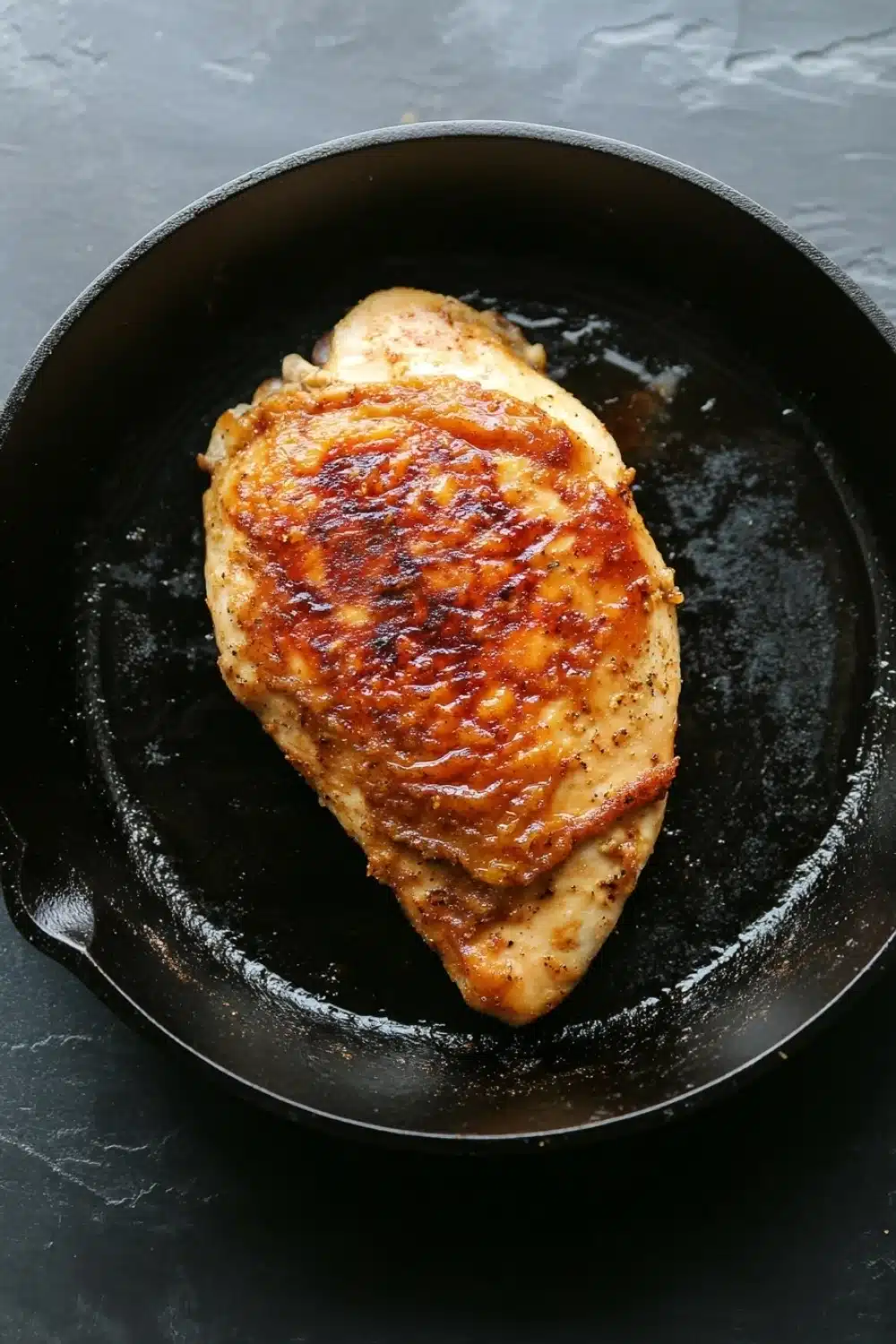
There’s something about the sizzle of chicken hitting a hot cast iron skillet that instantly grabs your attention. The kitchen fills with that unmistakable aroma—the kind that makes you stop mid-scroll and focus. Tonight, I’m diving into a no-nonsense method for cooking chicken breast that skips the rubbery nightmare and nails that crispy crust, all while keeping the inside juicy and tender. I’ve learned the hard way that moisture is the enemy here; patting those breasts dry is half the battle won. As the skillet heats, it’s like the calm before a flavor storm—olive oil shimmers, butter waits in the wings, and fresh thyme is ready to hit the stage alongside smashed garlic. Once the chicken hits the pan, patience is key—don’t poke or prod. Let it set and form that crackling, golden skin that’s worth every minute. Tossing in the butter and basting with that garlicky, herby goodness is the little trick that takes this from weekday dinner to “where have you been all my life?” level. Serve it with a simple salad or your favorite side, and you’re set for a meal that’s anything but ordinary. If you’re fed up with dry chicken, give this a whirl—it’s a skillet slam dunk every time.
If you’re looking for a quick twist, try these chicken kabobs cooked right in your skillet.
Real Life Perks of Mastering Pan-Seared Chicken in Cast Iron
- Speedy Dinner Savior: Ready in just 25 minutes, this recipe is a game-changer for hectic weeknights when you’re racing against the clock.
- Juiciness Locked In: That quick sear followed by basting with butter and herbs keeps the chicken tender and moist—not your usual dried-out bird.
- One-Skillet Cleanup: Using a cast iron skillet means you’re working with one trusty pan—fewer dishes, less hassle, more couch time.
- Flavor Boost Without Fuss: A simple blend of smoked paprika and garlic powder packs a punch—no need for complex marinades or mysterious sauces.
- Kitchen Confidence Builder: Nailing the perfect sear on chicken breast teaches you control over heat and timing, skills that pay off across countless meals.

Pan-Seared Chicken Breast in Cast Iron Skillet
- Total Time: 25 minutes
- Yield: 2
Description
A simple and flavorful recipe for perfectly cooked chicken breasts using a cast iron skillet. Crispy on the outside and juicy on the inside, this dish is perfect for a quick weeknight dinner.
Ingredients
2 boneless, skinless chicken breasts, about 6 ounces each
1 teaspoon kosher salt
1/2 teaspoon freshly ground black pepper
1 teaspoon garlic powder
1 teaspoon smoked paprika
2 tablespoons olive oil
1 tablespoon unsalted butter
2 cloves garlic, smashed
2 sprigs fresh thyme
Instructions
Pat the chicken breasts dry with paper towels to remove excess moisture.
In a small bowl, mix together kosher salt, black pepper, garlic powder, and smoked paprika.
Season both sides of each chicken breast evenly with the spice mixture.
Heat the olive oil in a cast iron skillet over medium-high heat until shimmering but not smoking, about 2 minutes.
Place the chicken breasts in the skillet and cook without moving for 6-7 minutes until the underside is golden brown and releases easily from the pan.
Flip the chicken breasts over and add the butter, smashed garlic cloves, and fresh thyme to the skillet.
Tilt the skillet slightly and spoon the melted butter and aromatics over the chicken breasts repeatedly for 5-6 minutes, or until the internal temperature reaches 165°F (74°C).
Remove the chicken breasts from the skillet and transfer to a plate. Let rest for 5 minutes before slicing and serving.
- Prep Time: 10 minutes
- Cook Time: 15 minutes
Explore more:
Dinner Recipes
Pan-Seared Chicken Breast in Cast Iron Skillet
Substitution Secrets
Sometimes, you’re knee-deep in prep and realize the pantry doesn’t have what the recipe calls for. It happens to the best of us. For this pan-seared chicken, if you’re out of smoked paprika—the magic dust that adds that faint smoky whisper—you can swap it with regular paprika mixed with a pinch of cumin or chipotle powder. It won’t be the exact same, but it keeps that smoky-sweet balance alive. Ditto for fresh thyme; dried thyme sneaks in as a solid understudy. Use about a third of the fresh quantity since dried herbs pack a punch. And if you don’t have unsalted butter? Straight-up olive oil works, though butter adds that slightly nutty finish when it browns. Speaking from a few kitchen battles, I’ve even used ghee when butter was MIA—same basting benefits without the water content. Don’t sweat seasoning tweaks either—kosher salt can be swapped with sea salt, but keep an eye on quantity to avoid going overboard.
The Science
Here’s where the pan-sear game levels up. Getting that golden crust while keeping the inside juicy hinges on Maillard reactions — the chemical tango between amino acids and sugars under heat that creates those irresistible browned edges. Cast iron is the unsung hero here because it holds and distributes heat evenly, making sure the chicken breast doesn’t cook unevenly or dry out. Patting the chicken dry isn’t just kitchen superstition; moisture is the enemy of crisp skin. Excess water steams the surface instead of browning it. When you flip the chicken and add butter, garlic, and thyme, you’re not just tossing aromatics for fun. Butter’s milk solids brown and add a rich, toasty note while the herbs and garlic release essential oils that soak into the meat during basting. This spooning action — sometimes called “arroser” in pro kitchens — trains the chicken to stay moist and flavorful instead of drying on the hot skillet.
Real-world fix
Picture this: You’re pacing the kitchen with hungry eyes watching the skillet, and suddenly the chicken sticks—big time. Don’t panic. This usually means the pan wasn’t hot enough or the chicken wasn’t dry enough. The fix? Give the pan a minute longer to heat until you see that faint shimmer, like the surface is ready to dance. If it’s still stubborn, a gentle nudge with a spatula can coax it free. Also, resist the temptation to move the chicken around prematurely—that crust needs time to set. Another curveball is uneven thickness; if one end is puffy and thick, it’ll cook slower than the other. Quick hack: lightly pound the chicken breasts to an even thickness before cooking. This levels the playing field and keeps you from biting into a dry section. Lastly, rest your chicken like it’s been through a marathon—this cooldown lets the juices redistribute, making every bite tender and far from leathery.
Pan-Seared Chicken Breast FAQ
How do I know when the chicken is done without a thermometer?
Press the thickest part of the breast—if it feels firm but still has a little give, you’re in business. The juices should run clear, not pink. Still, a quick poke with a meat thermometer is the foolproof way to avoid dry chicken.
Can I use a non-cast iron skillet for this recipe?
You can, but cast iron is the secret sauce here. It holds heat like a champ, giving that perfect crispy crust. Non-stick pans won’t get you quite the same sear, but it’ll still taste pretty good.
What’s the deal with butter and garlic in the pan?
That’s the flavor bomb right there. Butter adds richness, and spooning it over the chicken with smashed garlic and thyme infuses it with a garlicky, herby mojo. Don’t skip this step if you want to avoid a bland bird.
Can I prep the chicken ahead of time?
Absolutely. Season the chicken breasts and store them in the fridge for a few hours or overnight. It lets the spices penetrate deeper. Just pat them dry again before cooking to get that crispy skin vibe.
What’s the best way to reheat leftover chicken without drying it out?
Low and slow is the name of the game. A gentle reheat in a skillet over low heat with a splash of water or broth keeps things juicy. Microwaving is quick but watch out for rubbery edges.