
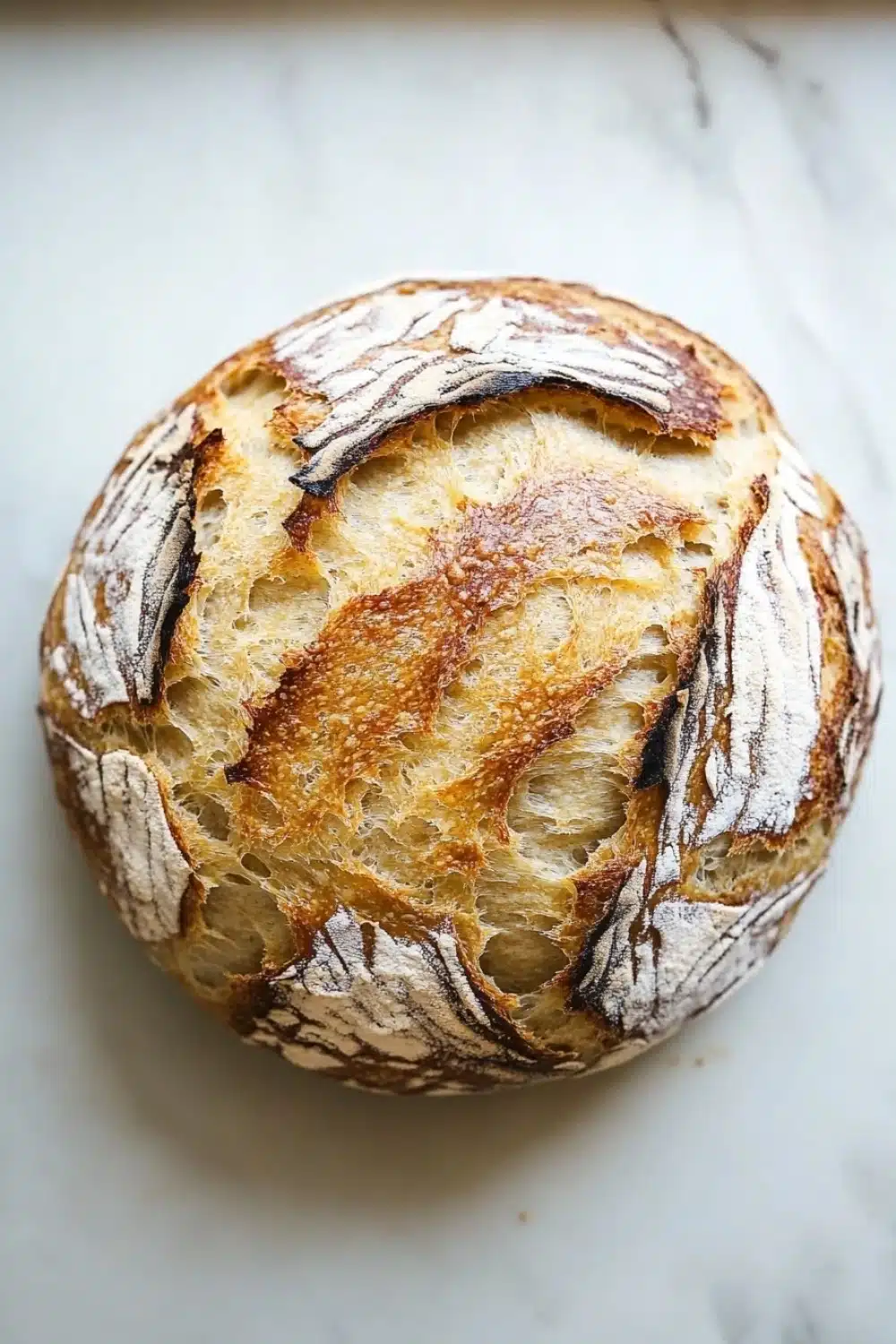
There’s something quietly captivating about bread baking, especially when you don’t have to wrestle the dough for hours. This no knead bread rise yeast recipe has gently reshaped my weekend routine. I remember the first time I let the dough sit, fully covered, watching tiny bubbles appear on its surface—like a promise of the golden crust to come. The smell of yeast mingling with flour and just a hint of salt filled the air, wrapping around me like a cozy blanket. I wasn’t rushing or kneading endlessly; instead, I was letting patience and simplicity do the work. Somewhere between checking the clock and peeking through the oven window, I realized how satisfying it is to create something so comforting without the usual fuss.
By the time the bread emerged, its crust crackling and its interior soft yet sturdy, the kitchen had turned into a warm refuge. I sliced it unevenly, the crumb still steaming, and spread a pat of butter that melted too quickly—perfectly imperfect. That first bite was a quiet celebration, one that reminded me why baking can be both an art and a moment of self-care.
Why You’ll Love It
- It’s simple — and that’s kind of the point. No complicated steps or kneading required.
- The slow rise develops flavor naturally, giving you a crusty exterior with a tender crumb.
- Minimal ingredients, yet the result feels like something you’d find in a cozy bakery.
- Requires little hands-on time but a bit of patient waiting, which can be a nice break from busy cooking.
- Perfect for those who want homemade bread without the intimidation.
If you’re concerned about timing, know that the dough is forgiving. I’ve left it a bit longer than suggested sometimes, and it still turns out great.
Print
No-Knead Bread with Yeast
- Total Time: 3 hours
- Yield: 8 slices
Description
A simple and easy no-knead bread recipe that uses yeast for a perfect rise and a crispy crust. This bread requires minimal effort and yields a delicious homemade loaf.
Ingredients
3 cups all-purpose flour
1/4 teaspoon instant yeast
1 1/4 teaspoons salt
1 1/2 cups warm water (about 110°F)
Instructions
In a large mixing bowl, combine 3 cups of all-purpose flour, 1/4 teaspoon of instant yeast, and 1 1/4 teaspoons of salt. Stir to mix evenly.
Pour 1 1/2 cups of warm water into the dry ingredients and stir with a wooden spoon or spatula until a shaggy dough forms and all flour is incorporated.
Cover the bowl tightly with plastic wrap or a clean kitchen towel and let the dough rise at room temperature for 2 to 3 hours, or until the surface is dotted with bubbles and the dough has doubled in size.
After the first rise, lightly flour a work surface and turn the dough out onto it. Fold the dough over on itself once or twice to shape it into a rough ball. Do not knead.
Place the dough seam-side down on a large piece of parchment paper. Cover it loosely with a kitchen towel and let it rest for 30 minutes to rise again.
About 30 minutes before baking, place a heavy Dutch oven or oven-safe pot with a lid into the oven and preheat to 450°F (230°C).
Carefully remove the hot Dutch oven from the oven. Lift the dough with the parchment paper and place both into the pot. Cover with the lid.
Bake covered for 30 minutes. Then remove the lid and bake for an additional 15 minutes, or until the bread is deep golden brown and crusty.
Remove the bread from the oven and transfer it to a wire rack. Let it cool completely before slicing.
- Prep Time: 15 minutes
- Cook Time: 45 minutes
Kitchen Notes: Using a sturdy pot or Dutch oven gives this bread its signature crust, but don’t stress if you don’t have one exactly like mine. A heavy oven-safe dish works well enough. Serving it warm with a smear of butter or alongside a bowl of soup turns a simple loaf into a memorable meal. I’ve tried adding herbs to the dough occasionally, though I’m not sure it always improves things—sometimes less is more. Also, if you want a slightly different texture, you can experiment with letting the dough rest a bit longer or shorter; the timing isn’t strict.
FAQ
Can I use active dry yeast instead of instant yeast?
Yes, but you might need to dissolve it in warm water first and adjust the rise time slightly.
What if I forget to cover the dough?
The dough might develop a dry skin on top, which can affect texture, but you can gently incorporate it when shaping.
How do I store this bread?
Keep it in a paper bag or bread box at room temperature for a couple of days, or freeze it wrapped tightly for longer storage.
Ready to try this relaxing yet rewarding baking experience? Your kitchen will thank you.