
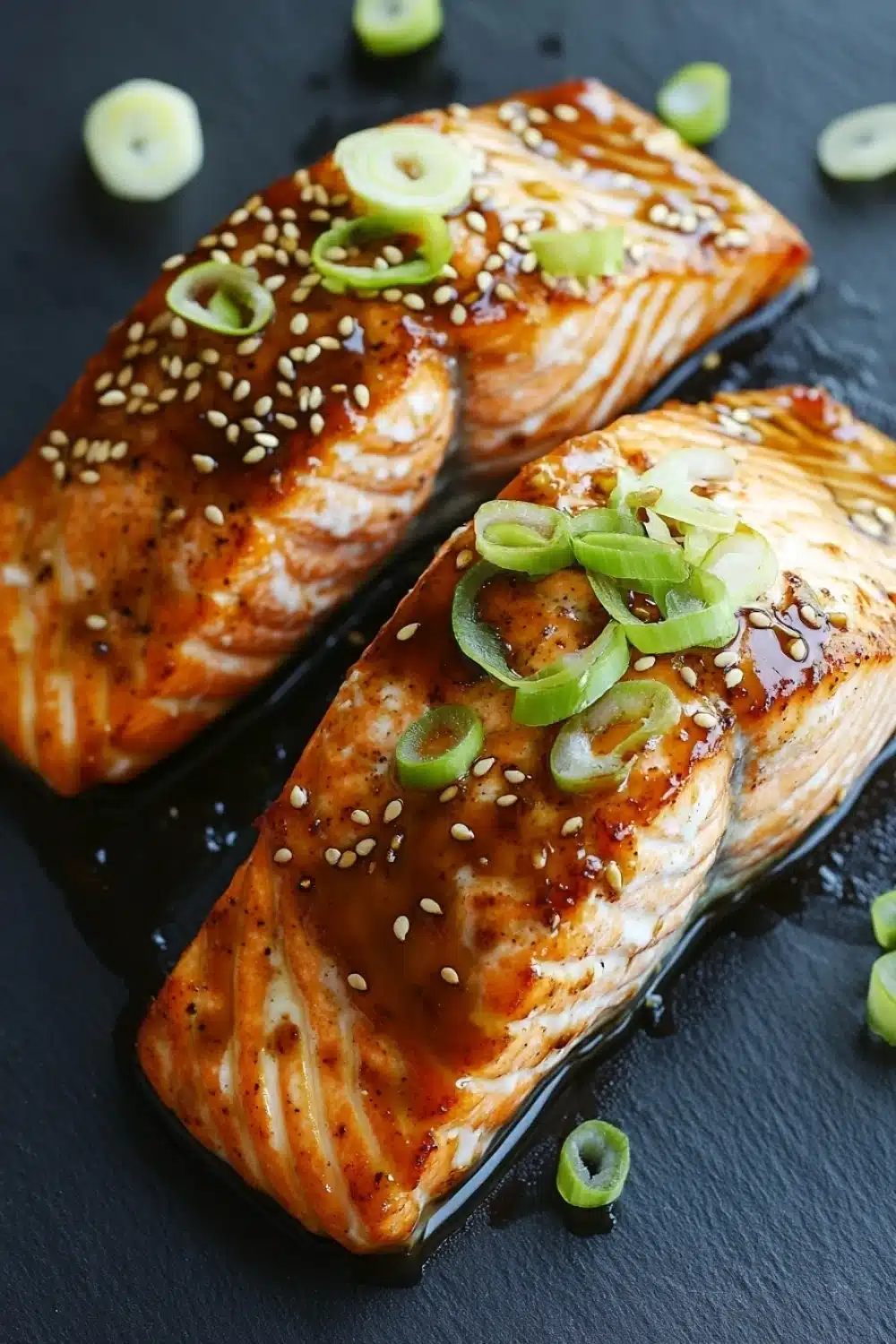
There’s something about the sizzle of salmon hitting the hot air fryer basket that instantly wakes up the kitchen—like a little drumroll before the main event. I’m always chasing that perfect balance: skin crisp enough to snap with each bite, flesh tender and flaky, all bathed in a sticky, homemade teriyaki glaze that’s neither too sweet nor too salty. This recipe nails it without breaking a sweat or drowning you in sauce. I remember the first time I tried air frying salmon—I was skeptical, thinking it’d be dry or unevenly cooked. But nope, this method locks in moisture and gives you that roasted edge, no fuss. Halfway through the cook, I hit it with another round of glaze—the secret sauce move that keeps the flavors punchy and the glaze luscious without turning into a gloopy mess. If you’re short on time but don’t want to sacrifice that umami-packed bite, this is your go-to. Plus, it’s all done in under 30 minutes, so even on a weeknight, you’re not left staring blankly into the fridge wondering what to whip up. The kitchen smells like a Japanese izakaya, minus the frantic crowd—and that’s a vibe worth chasing every time.
For more delicious ideas, explore our Dinner recipe collection to find your next favorite meal.
Why Air Fryer Teriyaki Salmon is a Game-Changer for Weeknight Dinners
- Speed Demon: From prep to plate in just around 22 minutes—perfect for when you’re racing the clock after work.
- Hands-Off Cooking: Set it and forget it in the air fryer, freeing you up to tidy the kitchen or chill with a cold one.
- Clean-Eating Easy: Packed with protein and no greasy mess—this dish keeps it real with wholesome ingredients and minimal oil.
- Flavor That Hits the Spot: Homemade teriyaki glaze means no mystery sauces—just fresh, punchy flavors that stick to your ribs.
- Minimal Cleanup: The air fryer basket cleans up with a quick rinse—no need to wrestle with sticky pans or splattered stovetops.
Air Fryer Teriyaki Salmon
- Total Time: 22 minutes
- Yield: 2
Description
A quick and flavorful air fryer teriyaki salmon recipe that delivers perfectly cooked, tender salmon with a delicious homemade teriyaki glaze. Ready in under 30 minutes, this dish is perfect for a healthy weeknight dinner.
Ingredients
2 salmon fillets, skin on, about 6 ounces each
2 tablespoons soy sauce
1 tablespoon honey
1 tablespoon mirin
1 tablespoon rice vinegar
1 teaspoon sesame oil
1 clove garlic, minced
1 teaspoon fresh ginger, grated
1 teaspoon cornstarch
1 tablespoon water
1 teaspoon toasted sesame seeds
1 green onion, thinly sliced
Instructions
In a small bowl, whisk together soy sauce, honey, mirin, rice vinegar, sesame oil, minced garlic, and grated ginger to create the teriyaki sauce.
In a separate small bowl, mix cornstarch and water until smooth to form a slurry.
Pour the teriyaki sauce into a small saucepan and bring to a gentle simmer over medium heat.
Slowly whisk in the cornstarch slurry and continue to cook, stirring constantly, until the sauce thickens, about 1-2 minutes.
Remove the sauce from heat and set aside to cool slightly.
Pat the salmon fillets dry with paper towels and place them skin-side down in the air fryer basket.
Brush the top of each salmon fillet generously with the teriyaki glaze.
Set the air fryer to 400°F (200°C) and cook the salmon for 10-12 minutes, or until the salmon flakes easily with a fork and reaches an internal temperature of 145°F (63°C).
Halfway through cooking, brush the salmon again with the remaining teriyaki glaze.
Once cooked, carefully remove the salmon from the air fryer.
Garnish each fillet with toasted sesame seeds and sliced green onions before serving.
- Prep Time: 10 minutes
- Cook Time: 12 minutes
Explore more:
Dinner Recipes
Mastering Air Fryer Teriyaki Salmon: Tips and Tricks
Substitution Secrets
Sometimes, you’re knee-deep in cooking only to find you’re missing a key ingredient. Happens to me all the time—no soy sauce, no problem. Coconut aminos are a killer swap that keeps the umami punch without the sodium overload. If you’re out of honey, maple syrup or even agave nectar will do the trick, lending that sticky sweetness the dish craves. Mirin can be tricky to replace if you don’t have it on hand; a dry sherry or a splash of white wine with a pinch of sugar sends the message just fine. For the rice vinegar, apple cider vinegar works well enough in a pinch, but dial down the quantity to avoid an overly sharp bite. And don’t sweat it if you forget the grated ginger—ground ginger is your fallback, but use sparingly since it packs more punch. These swaps might not be textbook, but in the hustle of weeknight cooking, they’ll keep you in the game.
The Science
Here’s where the magic really happens—understanding why that teriyaki glaze clings to your salmon like old friends at a reunion. Cornstarch acts as the unsung hero, thickening the sauce by forming a gel-like network when heated with water. This simple slurry prevents the sauce from running off the fish and creates that glossy sheen everyone’s chasing. The balance of sweetness from honey and acidity from rice vinegar is no accident; it creates a glaze with a perfect mouthfeel and flavor equilibrium. Sesame oil, even in that tiny teaspoon quantity, adds a nutty aromatics layer that your nose will remember long after dinner. Cooking salmon at 400°F in the air fryer finishes it quickly, locking in moisture, while the twice-brushed glaze ensures every bite is saucy but not soggy. It’s a fine line—overcooked salmon turns into fish sticks; undercooked, and you’re playing with fire (or food safety). The internal temp of 145°F is the bullseye.
Real-world Fix
Let me confess—getting perfectly cooked air fryer salmon wasn’t love at first try. The first batch? Dry as a desert. The culprit? Not patting the salmon dry and slapping too much sauce on at once. Here’s the pro tip: drying the skin side helps it crisp up without steaming in the basket. Also, a mid-cook baste with leftover glaze locks in flavor without turning the skin into a soggy mess. If you’re seeing smoke or burnt sauce, turn down the heat by 10-20 degrees and extend cook time slightly. Air fryers vary like snowflakes, so get to know yours. Finally, use a digital thermometer—it’s your best wingman to avoid the dreaded overcooked salmon scenario. Trust me, your taste buds will thank you.
Your Burning Questions About Air Fryer Teriyaki Salmon, Answered
Can I use frozen salmon for this recipe?
Honestly, it’s best to start with thawed salmon. If you toss frozen fillets straight into the air fryer, you might end up with uneven cooking—some parts raw, others overdone. Patience pays off here.
What if I don’t have mirin—any substitutes?
Mirin adds a sweet tang with a hint of booze, but no sweat if you’re fresh out. Just mix a tablespoon of white wine or dry sherry with a pinch of sugar for a decent stand-in.
How do I know when the salmon is perfectly cooked?
Forget guessing—use a meat thermometer. When the thickest part hits 145°F (63°C), you’re golden. The fish should flake easily but still be moist, not chalky or dry.
Can I make the teriyaki sauce ahead of time?
Absolutely. Whip it up, cool it down, and stash it in the fridge for up to five days. Just give it a quick stir or warm before glazing your salmon for that fresh-off-the-stove punch.
Is brushing the sauce twice really necessary?
Yes, and here’s why: the first glaze locks in flavor, the second one builds that sticky, glossy coat we’re after. It’s the secret to nailing that finger-lickin’ finish.