
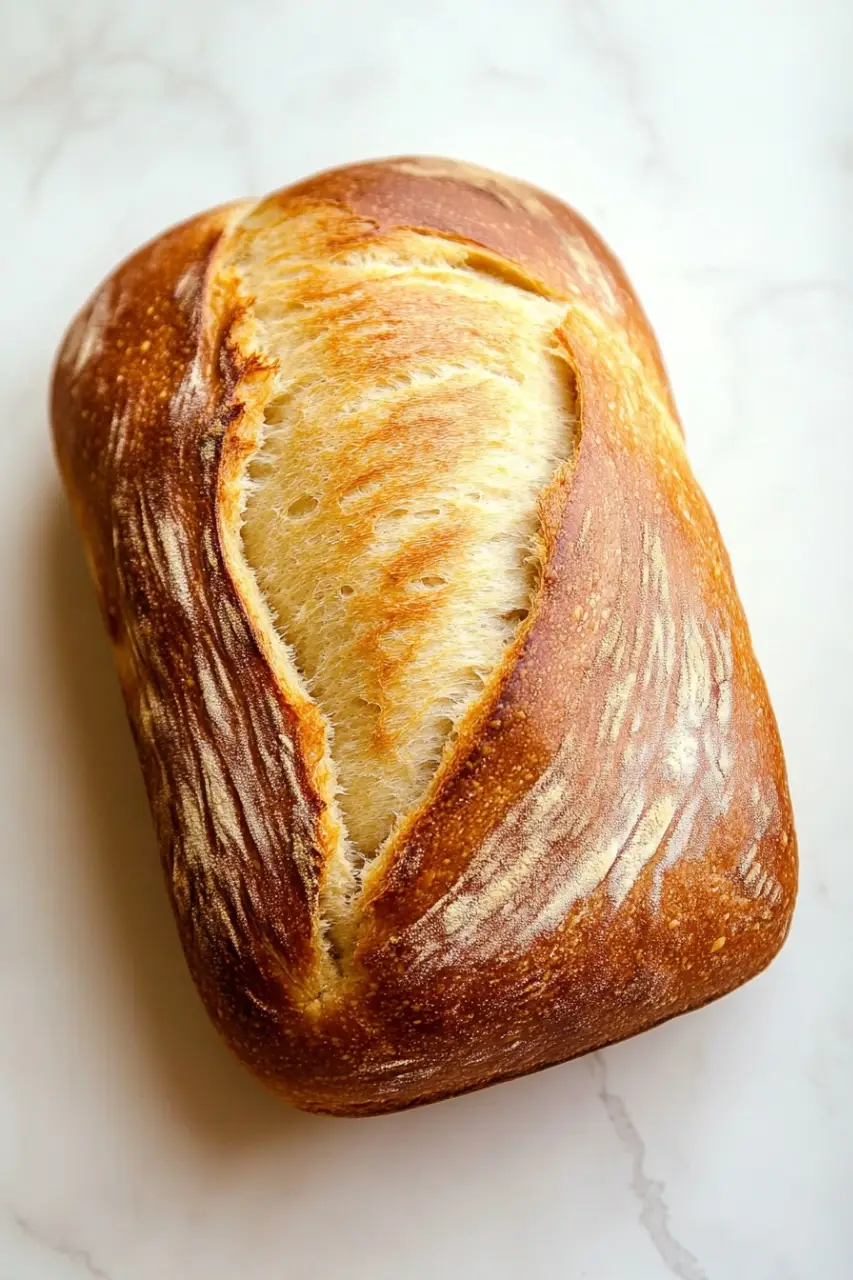
There’s something about the smell of bread baking that makes a house feel like home. I remember one afternoon, the kind where you don’t have much planned but still want to do something comforting. I started mixing this yeast bread with buttermilk, and, honestly, I wasn’t sure if I’d get the rise just right—my kitchen was a bit drafty that day, so I kept glancing nervously at the dough. But as the minutes passed, the dough swelled, soft and promising. When it finally baked, the crust turned this golden hue that looked too good to break. I sliced into it anyway—just a quick piece—and the tender crumb, with that subtle tang from the buttermilk, felt like a warm hug. It’s the kind of bread that’s straightforward but somehow feels special, perfect for those quiet moments when you just want to slow down.
Why You’ll Love It
- The soft texture and tangy flavor from the buttermilk make this bread stand out without being overwhelming.
- This recipe asks for a bit of patience, but it’s simple — and that’s kind of the point.
- Great for sandwiches or just with butter, it’s versatile enough to pair with whatever you’re craving.
- There’s a delicate crust that’s just enough to hold the loaf together but not too thick to be tough.
Even if you’re new to yeast breads, this one feels manageable. It’s not one of those fussy recipes that need precision baking temps or fancy gadgets. Just some warm buttermilk, yeast, and a bit of time to let the dough do its thing.
Print
Buttermilk Yeast Bread
- Total Time: 1 hour 55 minutes
- Yield: 12 slices
Description
A soft and tangy yeast bread made with buttermilk, perfect for sandwiches or as a side to any meal. This bread has a tender crumb and a slightly tangy flavor from the buttermilk.
Ingredients
1 cup warm water (110°F/43°C)
2 1/4 teaspoons active dry yeast (1 packet)
1/4 cup granulated sugar
1 cup buttermilk, warmed to about 110°F (43°C)
1/4 cup unsalted butter, melted
1 1/2 teaspoons salt
4 cups all-purpose flour, plus extra for kneading
Instructions
In a large mixing bowl, combine the warm water, yeast, and sugar. Stir gently and let sit for 5 to 10 minutes until the mixture is foamy.
Add the warmed buttermilk, melted butter, and salt to the yeast mixture. Stir to combine.
Gradually add 3 cups of the flour to the wet ingredients, stirring until a sticky dough forms.
Turn the dough out onto a floured surface and knead, adding the remaining flour a little at a time, until the dough is smooth, elastic, and no longer sticky, about 8 to 10 minutes.
Place the dough in a lightly greased bowl, cover with a clean kitchen towel or plastic wrap, and let it rise in a warm place until doubled in size, about 1 hour.
Punch down the risen dough to release the air. Shape it into a loaf and place it into a greased 9×5-inch loaf pan.
Cover the loaf pan with a towel and let the dough rise again until it has doubled in size, about 30 to 45 minutes.
Preheat the oven to 375°F (190°C).
Bake the bread for 30 to 35 minutes, or until the top is golden brown and the bread sounds hollow when tapped.
Remove the bread from the oven and transfer it to a wire rack to cool completely before slicing.
- Prep Time: 20 minutes
- Cook Time: 35 minutes
Kitchen Notes
I usually use a sturdy loaf pan and a clean towel to cover the dough while it rises; no need for anything elaborate. This bread pairs wonderfully with a slather of honey butter or alongside a bowl of warm soup, especially on chillier nights. If you want to switch things up, I’ve tried adding a sprinkle of herbs or even a handful of grated cheese before the second rise—it’s worth experimenting, though I can’t promise how it’ll always turn out perfectly. Sometimes, I even swap half the buttermilk for plain yogurt for a slightly different tang.
FAQ
Q: Can I use regular milk instead of buttermilk? A: You could, but you’ll miss that subtle tang and tenderness buttermilk brings.
Q: My dough feels sticky; should I add more flour? A: A little at a time, yes. The dough should be soft but manageable.
Q: How do I know when the bread is done? A: It’s golden brown on top and sounds hollow when tapped.
Give this bread a try when you have a little time to spare—you might find it becomes a comforting go-to.